Shaping Ground to Hold Water Year-Round
Pond digging in Belgrade for properties creating water features that support recreation or land use
Jason Stevens Excavation LLC digs ponds when you want a functional water feature on your property, whether for swimming, irrigation, wildlife, or aesthetics. You might need a pond to manage stormwater runoff, provide a water source for livestock, or create a fishing spot that integrates with the natural landscape. The work involves excavating to a depth that prevents full freezing in winter, shaping the basin so water collects and holds without constant seepage, and grading the edges so they don't erode or collapse after the first heavy rain. In Belgrade, soil type and groundwater level play a large role in how the pond is sited and whether a liner or clay layer is needed to hold water.
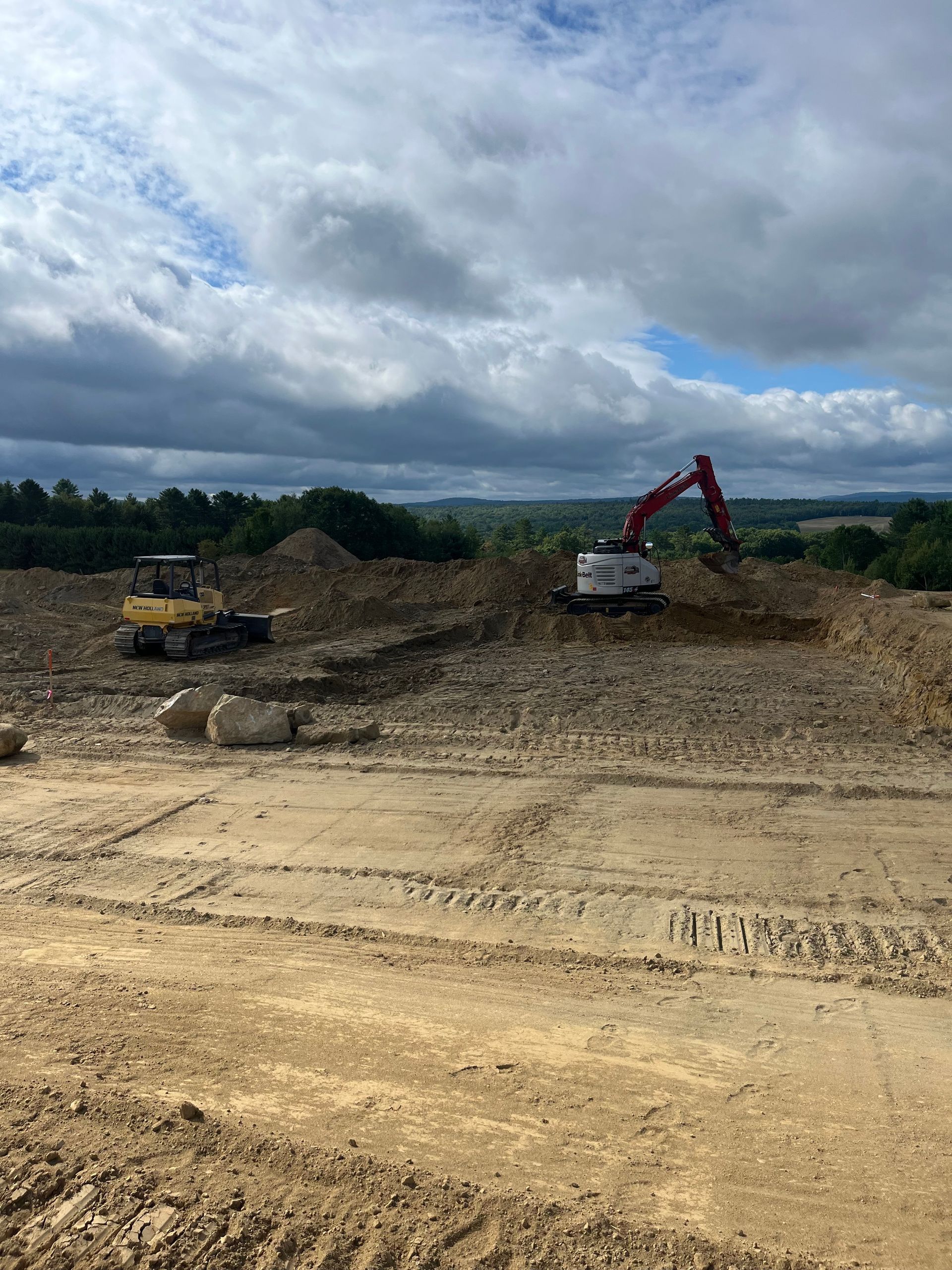
Digging starts with clearing vegetation and topsoil, then excavating the basin to the planned depth and shape using an excavator. The bottom gets graded with a gentle slope toward the deepest point, and the sides are cut at an angle that stays stable without reinforcement—typically a 3:1 slope in most soil types. If the soil is sandy or porous, a clay liner gets packed into place to reduce seepage. The excavated material can be used to build up a berm on the downhill side or spread across the surrounding area to blend the pond into the terrain.
If you're considering a pond for your property, schedule a consultation with Jason Stevens Excavation LLC to assess the site and talk through size, depth, and placement.
What Goes Into a Pond That Holds Water
You'll see the excavator dig down in lifts, removing soil in layers and stockpiling it nearby if it's needed for berms or finish grading. The basin gets shaped with the deep zone in the center, usually six to twelve feet depending on use, and the edges sloped back so they don't slump when saturated. If clay is needed, it gets spread in thin layers and compacted with the excavator bucket to create a seal. An overflow spillway is cut on the low side to control water level and prevent erosion during heavy runoff.
When the pond is complete, you'll see a basin that fills naturally from groundwater, surface runoff, or both, with edges that stay intact through seasonal water level changes. Jason Stevens Excavation LLC leaves the site graded so runoff flows into the pond without washing soil into the water. The surrounding area is rough-shaped and ready for planting or natural regrowth, depending on what you want the finished setting to look like.
Pond digging doesn't include stocking fish, installing aeration systems, or planting aquatic vegetation. The work focuses on excavation, grading, and sealing if needed. Permitting may be required depending on pond size, proximity to wetlands, and local regulations, and that step happens before equipment arrives.
Questions About Planning and Building a Pond
Pond projects raise questions about site suitability, water retention, and long-term maintenance. These answers address the factors that affect how a pond is built and how it performs over time.
What determines whether a pond will hold water?
Soil type and groundwater level are the main factors—clay or silt soils retain water naturally, while sandy or gravelly soils often require a clay liner to prevent seepage.
How deep does a pond need to be?
Depth depends on use, but most ponds are dug to at least six feet in the center to prevent complete freezing in winter and to support fish or other aquatic life.
Why does the slope of the sides matter?
A gradual slope, typically three feet horizontal for every one foot vertical, keeps the banks stable and prevents soil from collapsing into the water as the ground saturates and dries.
When is the best time to dig a pond in Belgrade?
Late summer and early fall are often ideal because groundwater levels are lower and the ground is dry enough for equipment to work without creating a muddy mess or damaging surrounding areas.
What happens if the soil won't hold water on its own?
A clay liner gets imported and compacted into the bottom and sides of the basin to create a seal that reduces seepage and keeps the water level stable.
If you're ready to add a pond to your property or need help determining whether your site is suitable, contact Jason Stevens Excavation LLC to evaluate the land and discuss the details of your pond project in Belgrade.